
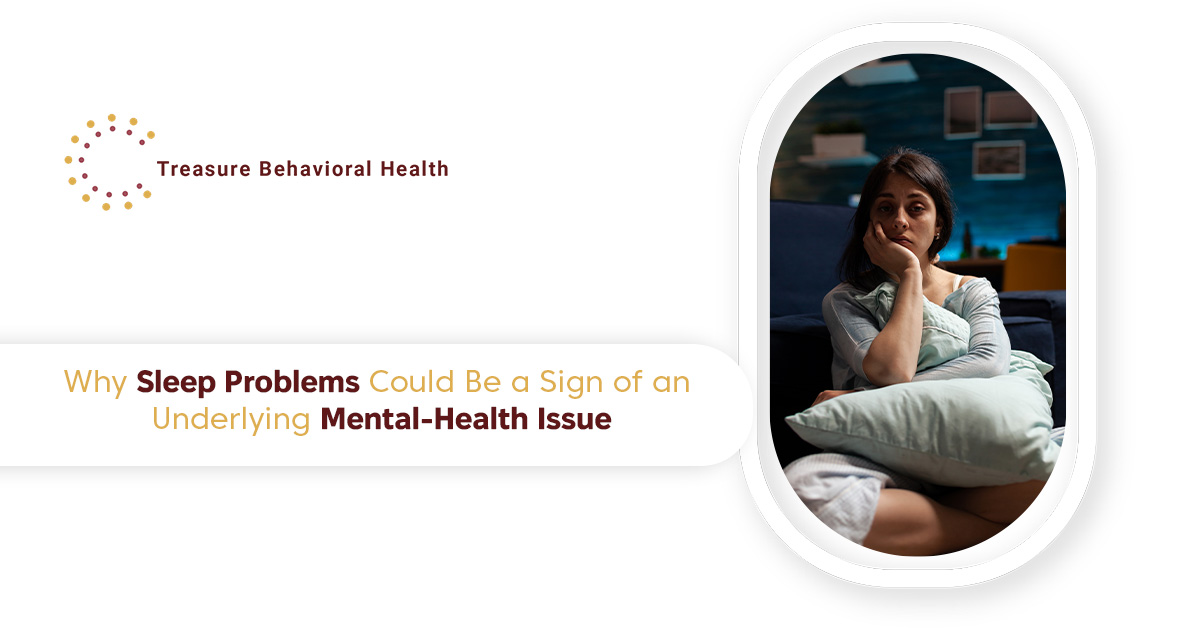
Bad sleep happens. You stay up too late watching TV or drink an extra cup of coffee in the afternoon. A few rough nights don’t mean much.
But what about when it’s been three weeks and you’re still lying in bed, unable to sleep? Or you’re in bed for ten hours and wake up feeling exhausted? That’s different.
Sleep and Your Mental Health
Yes, sleep makes you feel better. Lack of sleep can make everything appear more difficult. You’re mad. You cannot think clearly. Small things can quickly annoy you.
Your brain works on important tasks while you sleep, storing memories and processing the day’s events. Deny it that chance, night after night, and you’ll feel it.
Mental health problems can mess with your sleep. And lack of good sleep can make mental health problems worse. It goes both ways.
What This Actually Looks Like
Sleep problems show up in different ways:
- Can’t fall asleep even when you’re exhausted
- Wake up three or four times every night
- Eyes open at 4 AM and that’s it, you’re done sleeping
- Sleep for twelve hours and still feel terrible
- Tired all the time no matter what
A rough patch is normal. Weeks of this isn’t.
What Might Be Behind It
Anxiety
You experience racing thoughts during the night.
Your mind has been occupied with something all day long but now, when you have just gone to bed, every single worry pops up to the surface of your consciousness.
Thoughts ranging from conversations and household worries to any sort of responsibility that may be overwhelming tomorrow.
Depression
Some people suffering from depression cannot sleep at all while others keep sleeping most of the time which does not seem to help either. Waking up quite early in a low mood is also very common.
Bipolar Disorder
Your sleep changes with your mood. Sometimes you’re invincible on three hours. Other times you can’t get out of bed at all.
ADHD
Your brain stays active even though it’s bedtime. It wants to stay busy with tasks or thoughts rather than settle down. Maintaining a regular bedtime is challenging.
Why This Matters
Ignoring sleep problems doesn’t make them go away. Without decent sleep:
- You’re more easily frustrated
- Harder to focus on anything
- Your physical health declines
- Everything takes more energy
- Social interactions feel draining
Your body is trying to tell you something. Listen to it.
Getting Help
In case this has been going on for a few weeks, discuss it with somebody. A mental health practitioner is able to determine what is occurring and assist you in doing something.
You only need to chat about what is keeping you up. Sometimes medication helps. In most cases, it is a combination of both, as needed.
Treasure Behavioral Health Can Help
Sleep problems usually connect to something bigger. We treat people sixteen and up in North Carolina. Anxiety, depression, ADHD, bipolar disorder, we help with all of it.
You can come see us in person or do a telehealth appointment. Whatever’s easier for you.
Call 916-903-7066 or visit treasurebehavioralhealth.com to schedule an appointment.
FAQs
Can poor sleep cause mental health problems?
Yes. If you’re not sleeping well for weeks, you’re more likely to develop anxiety or depression. It works both ways.
How long before I should get help?
Has it happened most nights over the last two or three weeks and is now messing with your day-to-day life? Don’t wait.
Do I have to take medication?
Not necessarily. Depends on what’s causing it. Some people just need therapy. Some need medication. Some need both.
No comment